The Pig Program in Burundi is known as “Ndashoboye,” which translates to “I am able.”
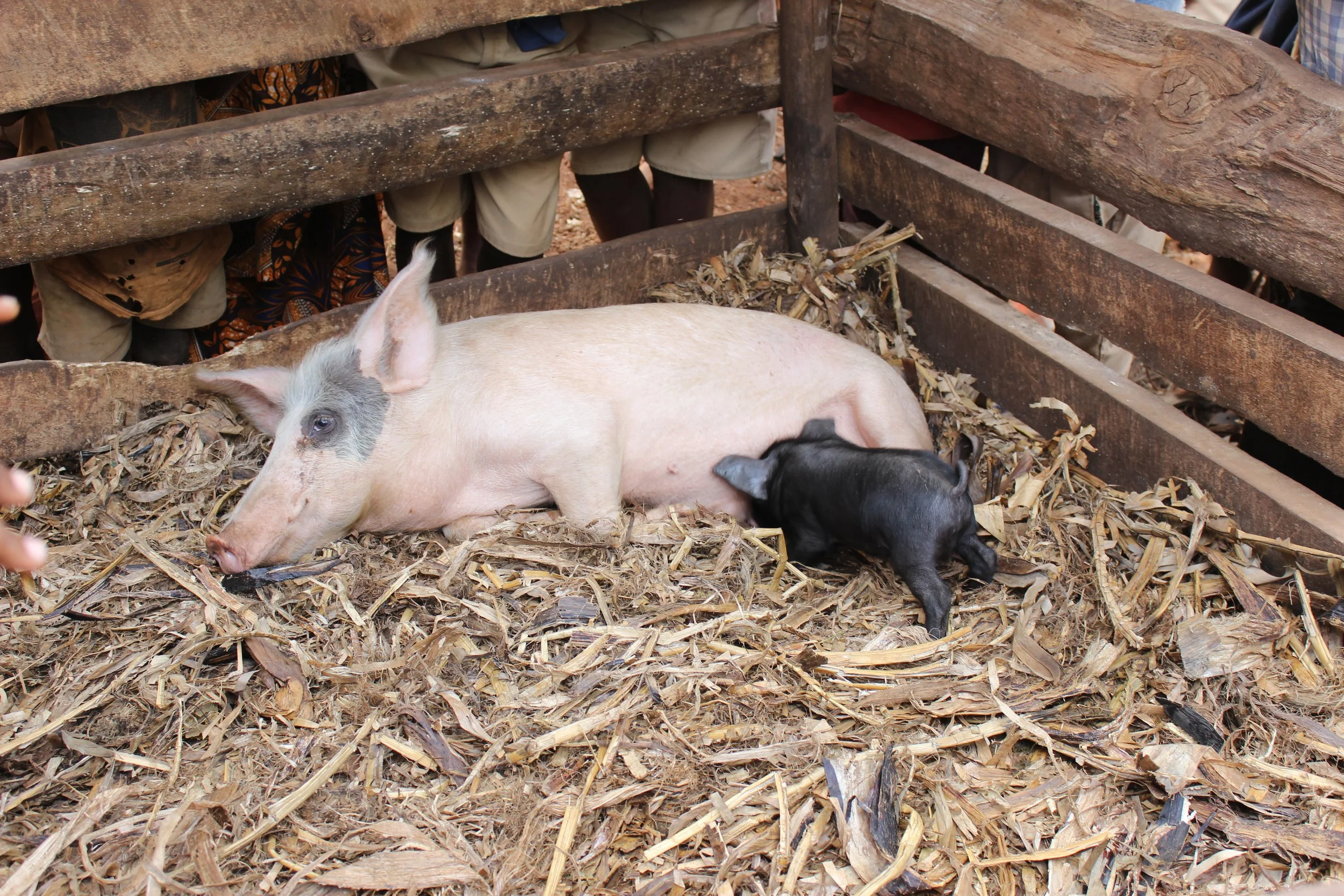
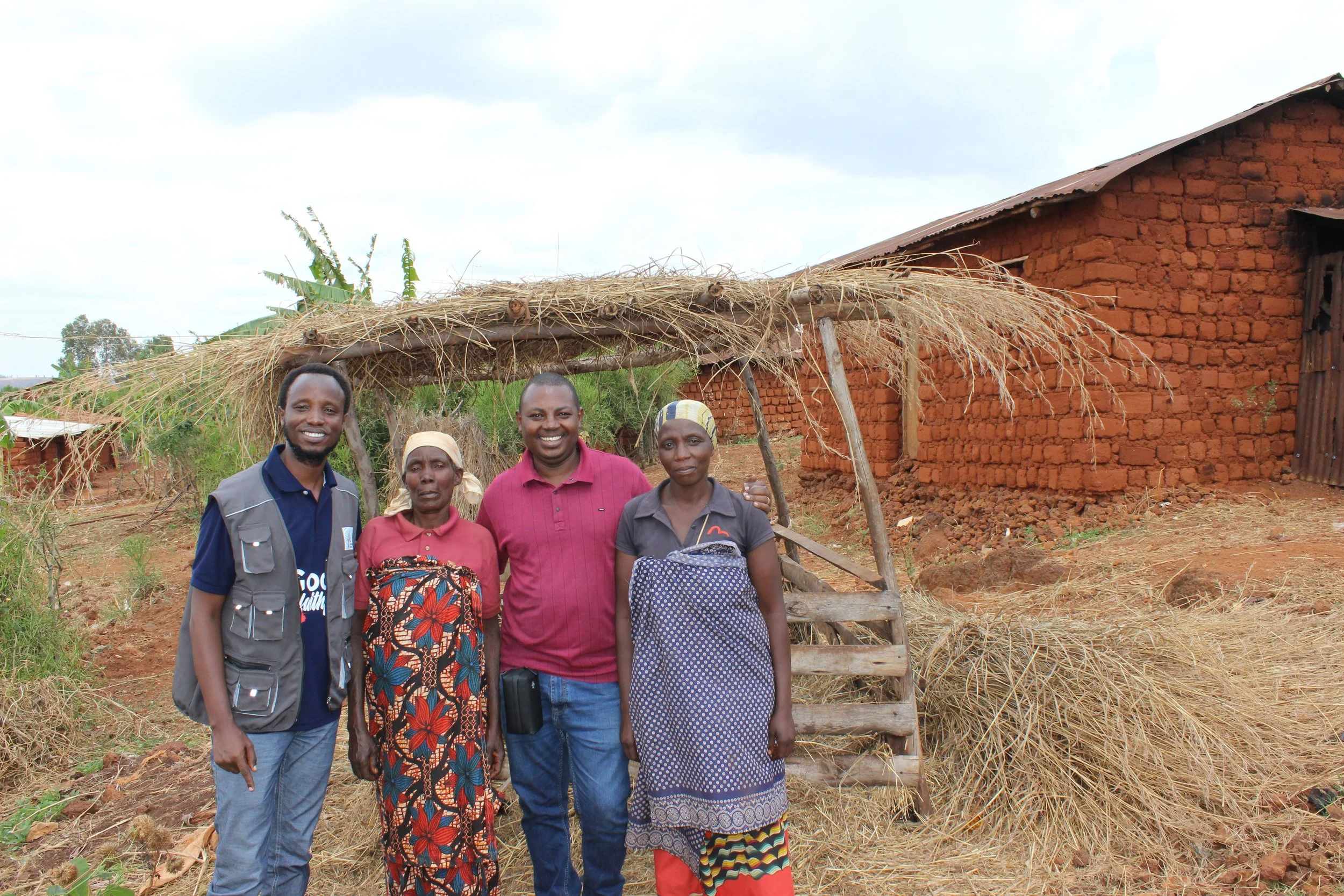
When we looked at the communities around our schools, we discovered that many families had no trades, leading to low self-esteem. The Pig Program brings hope and encouragement to those who have no means to support themselves. We selected 60 families, trained them, and partnered them with a veterinarian. The Government of Burundi provided lumber for pig pens, we provided nails, and we supplied the pigs. Participants are responsible for feeding and caring for the pigs, and to make this task manageable, we pair two families with one pig. They share both the consumption and sale of the pork.
Our Pig Program Transforms Lives
It’s About More than Pork
This is about sharing that, with the power of God, everything is possible. The living God is with them every step of their lives.
A Multifaceted Approach To Transformation:
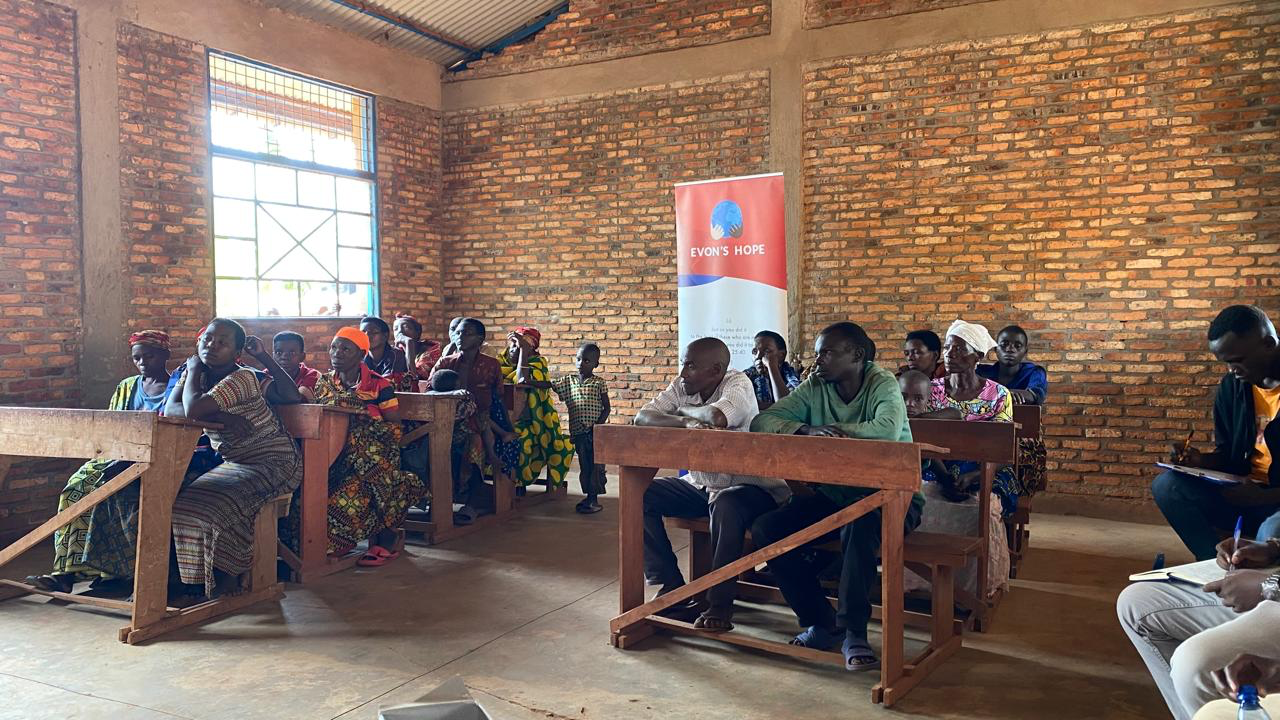
Our participants in the Pig Program attend intensive classes, learning everything about pig nutrition, care, and breeding. They are also partnered with a veterinarian throughout the program to ensure the pigs receive proper care.
Pig Care
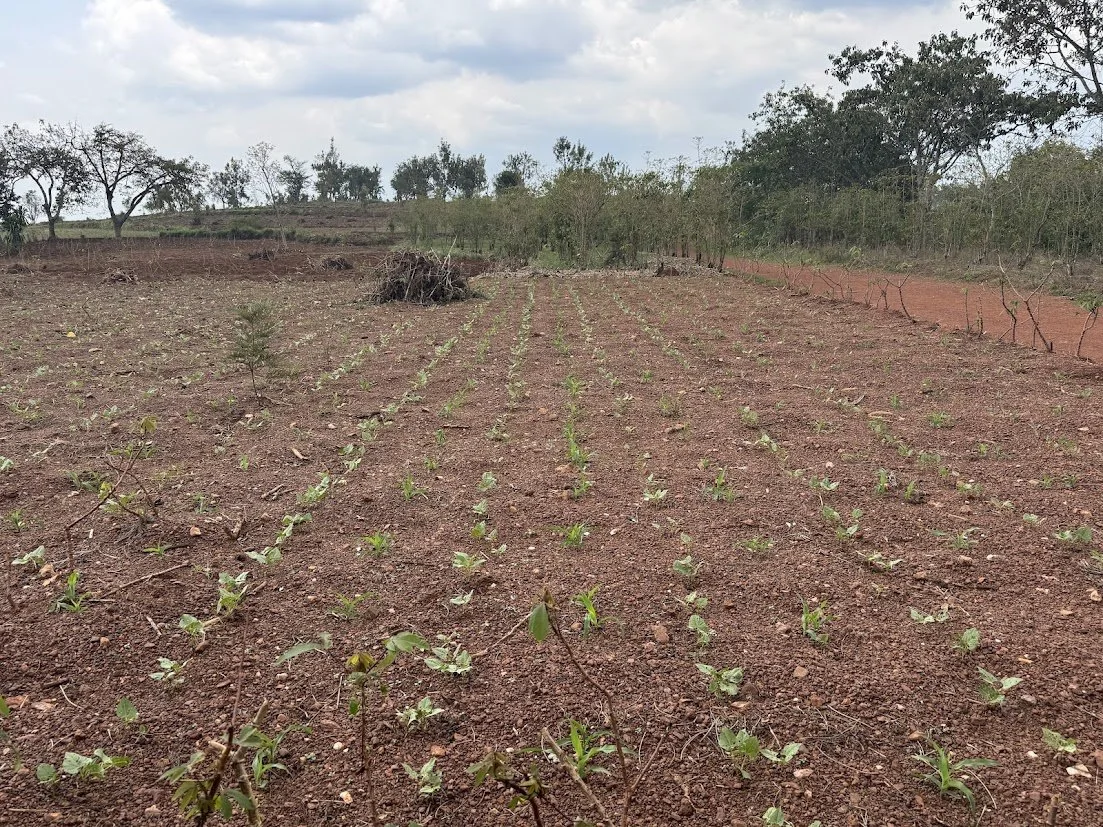
Every family in Burundi has a small plot of land around their home that they use for farming. Typically, farming is done in a scattered way, but by teaching row farming, we help families maximize their land efficiently. We also make sure to teach our participants how to create compost from pig waste, ensuring that every advantage of the Pig Program is fully utilized.
Composting & Row Farming Skills
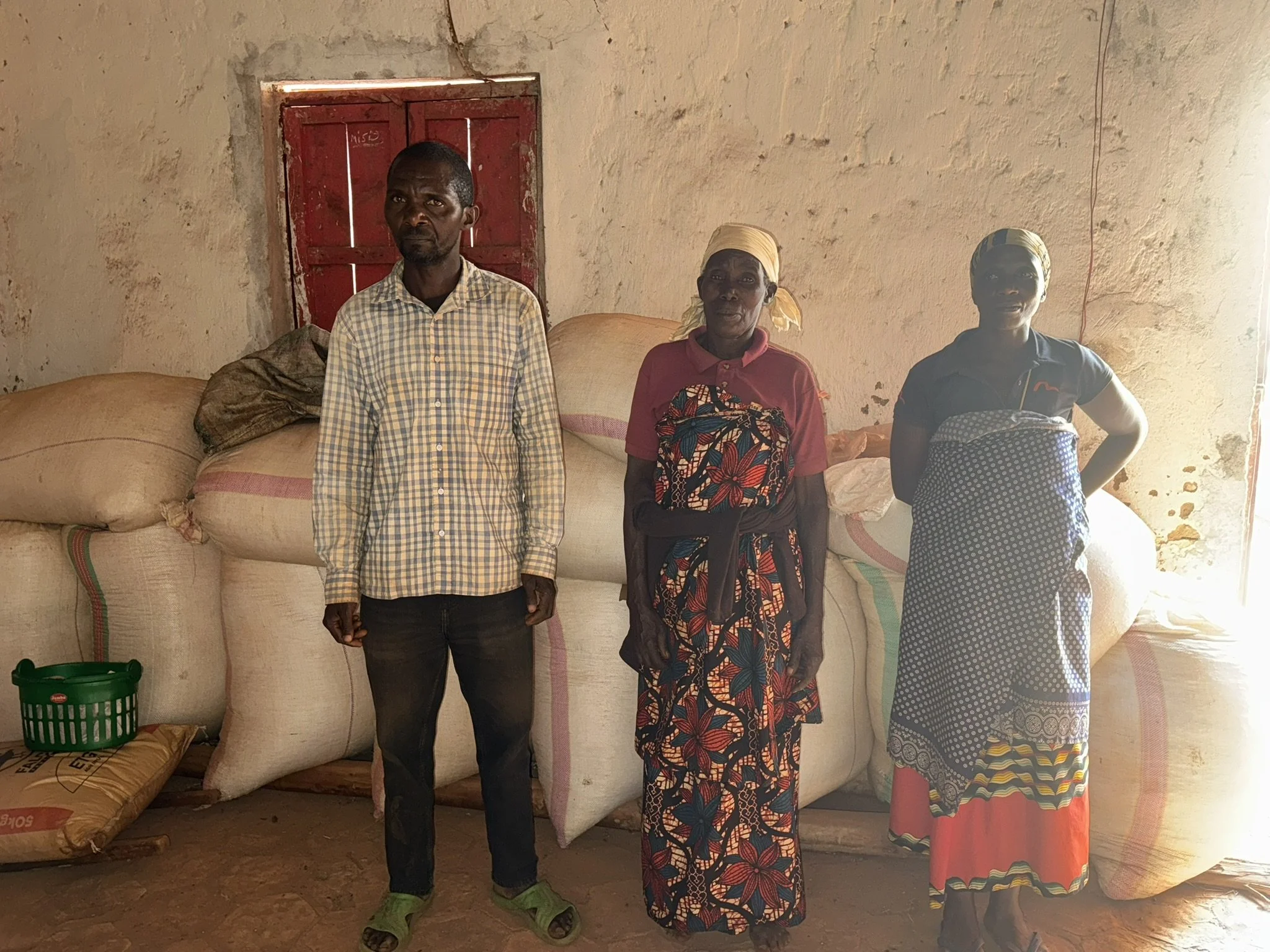
By teaching composting and row farming, we have given these families the opportunity to significantly increase their crop production. Now, these families not only have pigs to raise and sell, but they also have a surplus of crops to trade.
Larger Crop Production
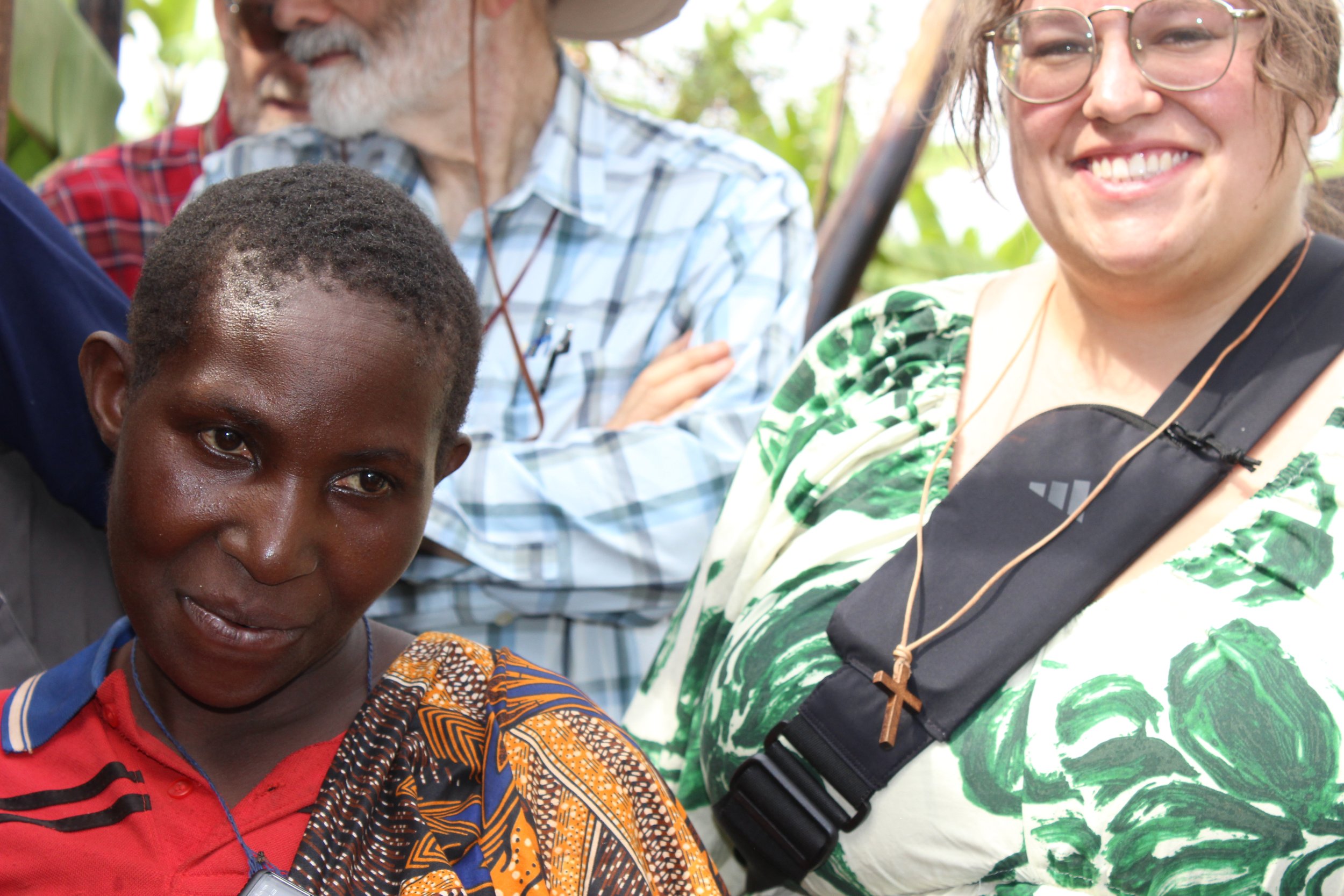
During our interviews with participants, we met a courageous woman raising four children on her own after her husband left. Suddenly, she was faced with overwhelming social and economic hardships. The Pig Program, built on partnership and community, gave her a chance to reconnect with those around her. Through it, she found not only a way to provide for her family but also the care, support, and encouragement she needed to heal emotionally and thrive.
“The pig program taught me how to work with others again.”